
What Happens If You Ignore A Cracked Or Broken Tooth?
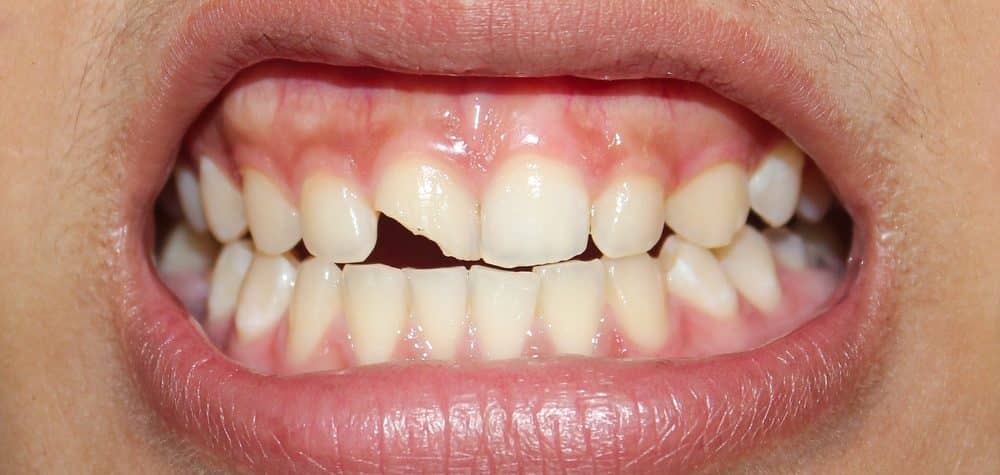
At first, a cracked or broken tooth might not seem like a big deal, especially if the pain comes and goes. Many people in Sauganash are busy and hope the problem will go away on its own. As Dr. Dalia Marouf at Sauganash Smiles Dentistry, I want you to know that ignoring a cracked tooth can make things worse. The crack can get deeper, bacteria can get inside, and what could have been a simple fix may turn into a bigger problem. It’s safest to have a cracked or broken tooth checked before you end up with pain, swelling, infection, or even tooth loss.
A Small Crack Can Turn Into A Larger Break
Your teeth deal with a lot of pressure every day. Chewing, grinding, clenching, biting hard foods, and even old fillings can put extra stress on a weak tooth. If there’s already a crack, normal biting can make it worse. What started as a small problem that needed just bonding or a filling might later need a crown, root canal, or even removal.
Cracked teeth can hurt when you chew, make you sensitive to hot or cold, and cause pain that comes and goes. This can make it hard to figure out what’s wrong without a dental exam. The American Association of Endodontists recommends getting checked as soon as you think you have a cracked tooth, since symptoms can be unpredictable and the crack might reach deeper parts of the tooth.
Some cracks only affect the outer enamel, while others go deeper into the dentin, pulp, or root. The deeper the crack, the harder it is to save the tooth. If the crack goes below the gumline or splits the tooth, there may be fewer ways to fix it.
Bacteria Can Enter The Tooth And Cause Infection
A crack or break can create an opening for bacteria. Once bacteria reach the inner portion of the tooth, the pulp can become inflamed or infected. The pulp contains nerves and blood vessels, so infection in this area can cause significant pain. In some cases, the pain may become constant, throbbing, or severe enough to affect sleep.
If an infected tooth isn’t treated, it can turn into an abscess. According to Mayo Clinic, signs of a tooth abscess include severe toothache, pain with hot or cold, pain when chewing, fever, swelling in your face or neck, swollen lymph nodes, bad smell, and in serious cases, trouble swallowing or breathing.
That’s why I don’t suggest waiting to see if a broken tooth will get better on its own. If the pain goes away, it doesn’t always mean the tooth is healing. Sometimes, it means the nerve is getting worse. If an infection starts, you might need a root canal, drainage, antibiotics, or even have the tooth removed if it can’t be saved.
The Tooth May Become Harder To Save
Treating a cracked or broken tooth early gives you more options. A small chip can often be fixed with bonding. A bigger break might need a crown. If the crack reaches the pulp, you may need a root canal and a crown. Deep cracks usually need both, and very severe breaks might not be fixable.
If you wait, the damage can spread to places that are harder to fix. A broken edge can turn into a deeper split. A crack near an old filling might go all the way through the root. A tooth that could have been saved at first might later need to be removed.
Losing a tooth can create additional problems. Nearby teeth may shift. Your bite can change. Chewing may become less balanced. Replacement options such as a bridge, implant, or partial denture may become necessary. Treating the tooth earlier is often more conservative than waiting until the damage becomes severe.
Your Bite And Gums Can Be Affected Too
A broken tooth can bother your tongue, cheek, or gums. Sharp edges might cut your mouth. Food can get stuck in the damaged spot, leading to sore gums, bad breath, or swelling. If you chew on the other side to avoid pain, that side can get sore too.
A cracked tooth can change how your bite feels. You might feel pain when you bite down or let go. You could start avoiding certain foods without noticing. Over time, this puts extra stress on your other teeth and dental work.
At Sauganash Smiles Dentistry, I evaluate the tooth, the surrounding gums, the bite, and any existing fillings or crowns. I also ask about symptoms that may seem unrelated, such as headaches, jaw soreness, grinding, or sensitivity. A cracked tooth is not always an isolated problem. Sometimes it is connected to clenching, nighttime grinding, old dental work, or bite imbalance.
What You Should Do Before Your Appointment
If you crack or break a tooth, call the dental office right away. Don’t chew on that side until we check it. Avoid hard, crunchy, sticky, very hot, or very cold foods if they hurt. If a piece of your tooth breaks off, try to save it and bring it with you. If you have swelling, fever, severe pain, pus, or trouble swallowing or breathing, get urgent care.
Do not place aspirin directly on the tooth or gum tissue because it can burn the tissue. Over-the-counter pain medication may help temporarily if you can take it safely, but it is not a substitute for dental treatment. A dental exam and X-ray can help determine whether the tooth needs bonding, a filling, a crown, root canal treatment, or another option.
Call Sauganash Smiles Dentistry For Cracked Or Broken Tooth Care
If you have a cracked or broken tooth, I invite you to call Sauganash Smiles Dentistry. I am Dr. Dalia Marouf, and my goal is to help you understand what is happening, relieve discomfort, and choose the right treatment before the problem becomes more serious. Our office serves patients in Sauganash, Edgebrook, Forest Glen, Wildwood, Lincolnwood, Jefferson Park, Mayfair, Rogers Park, Albany Park, Niles, and Skokie.
To schedule an exam, call our Sauganash dentist at Sauganash Smiles Dentistry by calling 773-877-3133 to schedule your dental exam. Prompt care can help protect your tooth, reduce your risk of infection, and give you more treatment options.
