
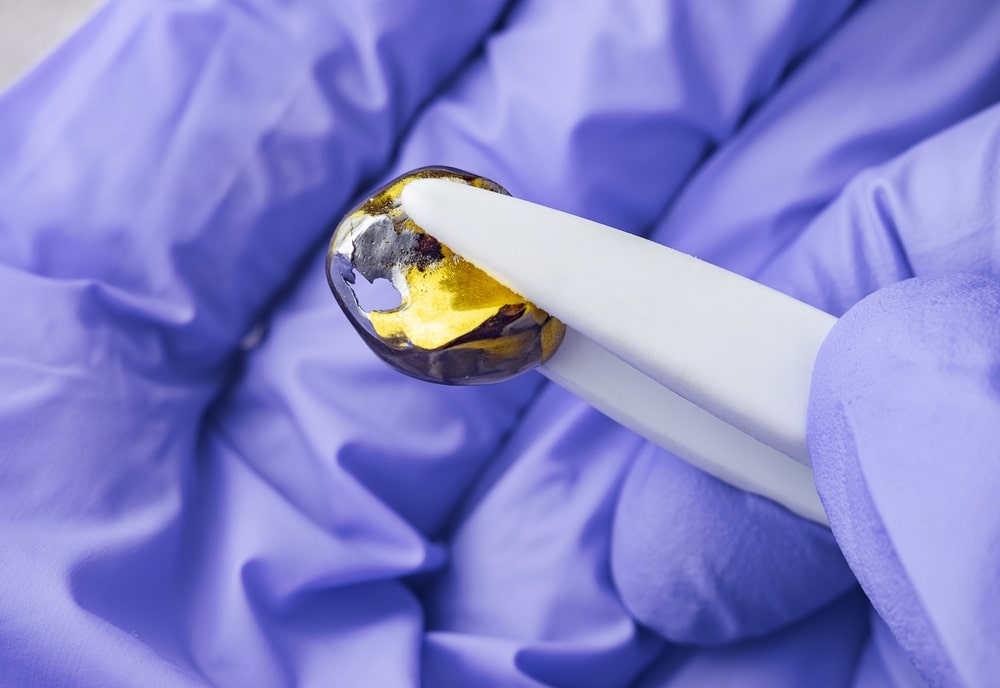
You can lose a filling while eating, brushing, or sometimes for no clear reason. You might feel a rough spot, notice sensitivity to cold or sweets, find food stuck in the tooth, or see a piece of filling in your mouth. Even if you do not feel pain, I suggest calling a dentist because the exposed area can be more likely to get damaged or develop decay. Fillings can come loose due to wear, new decay around the filling, biting pressure, grinding, or a crack in the tooth. At Sauganash Smiles Dentistry, my main goal is to find out why the filling came out and to check if the tooth can be fixed with another filling or needs a different treatment.
Call Your Dentist And Arrange An Examination
A lost or loose filling should be evaluated by a dentist rather than ignored. The NHS considers a broken or loose filling a reason to seek urgent dental care, although how quickly you need treatment depends on your symptoms.
When you call the dental office, let us know what happened and if you have pain, swelling, sensitivity, or trouble biting. This information helps us decide how soon you need to be seen. If you feel okay and there are no signs of infection or a serious break, you may not need emergency hospital care, but the tooth should still be checked by a dentist soon.
Keep The Area Clean Until Your Appointment
Once a filling is missing, food and plaque can collect in the exposed portion of the tooth more easily. I recommend gently brushing the area and continuing to keep the rest of your mouth clean. Be careful around the damaged tooth if it is tender, but do not stop cleaning it altogether.
You can also rinse your mouth gently after meals to help remove food. Try not to pick at the tooth with your fingers, toothpicks, or other objects, as this can harm the tooth or irritate your gums.
Avoid Chewing Hard Foods On The Tooth
The tooth may be structurally weaker after a filling falls out, particularly if the original restoration was large. Until I can examine it, try to chew on the opposite side of your mouth and avoid hard or sticky foods that place additional pressure on the exposed tooth.
Foods like ice, hard candy, nuts, and popcorn kernels can put extra stress on the tooth. Sticky foods can also get stuck in the space where the filling was. If the tooth is already cracked, biting down could make things worse.
Temperature and sweets may also cause sensitivity when the underlying tooth structure is exposed. If cold drinks or sugary foods trigger discomfort, avoiding those triggers temporarily may make you more comfortable.
Temporary Filling Material May Help In Some Situations
Over-the-counter temporary dental filling materials are available and may sometimes be used as a short-term measure until you can see a dentist. Temporary material is not intended to replace professional treatment, and it does not tell us why the original filling failed.
If you use a temporary product, follow its instructions carefully. Do not try to permanently repair the tooth yourself with household adhesives or other materials that were never intended for use inside the mouth.
The American Dental Association defines a temporary or sedative filling as a temporary restoration, which is different from the definitive treatment a tooth may ultimately require. I still need to examine the tooth to determine whether another filling, a crown, or another treatment is appropriate.
Why Did The Filling Fall Out?
Fillings are designed to restore lost tooth structure, but no restoration lasts forever. Years of chewing pressure can contribute to wear. Grinding or clenching may add additional stress, while recurrent tooth decay can weaken the area around an older restoration.
Sometimes the filling itself fails. In other situations, part of the surrounding tooth breaks away with it. The distinction matters because simply replacing the filling may not solve the problem if insufficient healthy tooth structure remains.
The American Dental Association’s restorative dentistry guidance recognizes failed restorations and recurrent decay as situations that may require additional restorative treatment. During your examination, I look at the condition of the remaining tooth, the size and location of the lost restoration, the bite, and whether decay or fracture is present.
Will You Need Another Filling?
Many teeth can be restored with another filling, but that is not always the best treatment. If the lost restoration was relatively small and enough healthy tooth remains, replacing it with a new filling may be appropriate.
A large restoration is different. If substantial tooth structure has been lost or the remaining tooth is weakened, a crown or another restorative approach may provide better protection. If decay has progressed deeply into the tooth and affected the pulp, more extensive treatment may be necessary. The NHS notes that decay reaching the dental pulp may require root canal treatment.
I base that decision on the clinical condition of the tooth rather than automatically replacing every missing filling in the same way.
When A Lost Filling Needs Faster Attention
Pain is not the only reason to contact a dentist promptly. Significant swelling, increasing pain, a badly fractured tooth, difficulty biting, or signs suggesting infection deserve faster evaluation.
A filling may fall out because the tooth underneath has deteriorated, and postponing treatment can sometimes allow an existing problem to become more difficult to repair. If swelling develops, particularly when accompanied by significant pain or other concerning symptoms, contact a dentist promptly. The American Dental Association advises patients experiencing dental swelling to seek dental care rather than relying on emergency departments for treatment of the underlying dental problem. My goal is to preserve as much healthy natural tooth structure as possible, which is often easier when I can examine the problem before additional damage occurs.
Schedule A Dental Exam With Sauganash Smiles Dentistry
When a filling falls out, the most important step is to protect the tooth and have it examined before additional damage occurs. Keep the area clean, avoid hard or sticky foods on that side, and contact a dentist rather than waiting for significant pain. I can determine whether the tooth needs another filling or whether decay, fracture, or loss of tooth structure requires a different approach.
At Sauganash Smiles Dentistry, I am Dr. Dalia Marouf, and I provide family dental care for patients in Sauganash, Edgebrook, Forest Glen, Wildwood, Lincolnwood, Jefferson Park, Mayfair, Rogers Park, Albany Park, Niles, and Skokie. My goal is to identify why the restoration failed, preserve healthy tooth structure whenever possible, and explain your treatment options clearly.
If you have lost a filling or are concerned about a damaged tooth, call our Sauganash dentist at Sauganash Smiles Dentistry by dialing 773-877-3133 to schedule your exam.
