
Signs Your Old Fillings Or Crowns Need Replacement
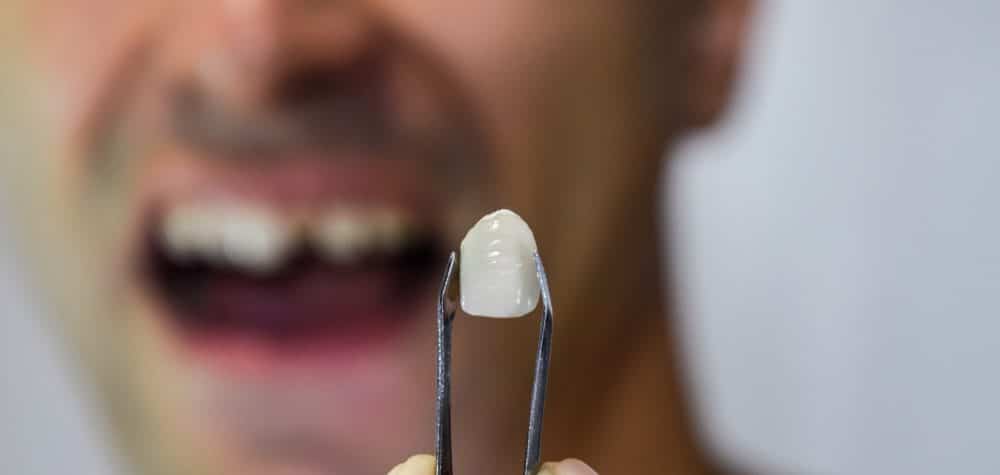
Dental fillings and crowns help restore and protect teeth that have been damaged by decay, fractures, or wear. Although these restorations are strong, they do not last forever. Everyday chewing, temperature changes, grinding, and aging can cause them to weaken or fail. Many people are surprised to find that a filling or crown that seemed fine a few years ago may now let bacteria into the tooth. As a dentist, I often meet patients who think their fillings or crowns will last forever, only to find out that a small issue has turned into a bigger problem. Spotting warning signs early can help you avoid more serious treatment and keep your teeth healthy.
At Sauganash Smiles Dentistry, I work with patients from Sauganash, Edgebrook, Forest Glen, Wildwood, Lincolnwood, Jefferson Park, Mayfair, Rogers Park, Albany Park, Niles, and Skokie to catch dental problems early. Regular dental checkups are usually the best way to see if your filling or crown is still working as it should.
Increased Tooth Sensitivity
One of the first signs that a filling or crown might need attention is increased tooth sensitivity. If you feel discomfort when drinking hot coffee, eating ice cream, or having sweet foods, it could mean the restoration is not sealing the tooth as well as it should.
Sensitivity can develop when tiny gaps form between the tooth and the restoration. These openings may allow bacteria, food particles, and temperature changes to affect the underlying tooth structure. While occasional sensitivity is not always a sign of a serious problem, persistent discomfort should be evaluated.
Pain When Biting Or Chewing
Pain while chewing is another common warning sign. A cracked filling, a damaged crown, or decay under the restoration can create pressure points that make biting down uncomfortable.
Some people describe this pain as a sharp feeling that comes and goes, while others notice a dull ache after eating. No matter what kind of discomfort you feel, pain while chewing should not be ignored. It could mean the filling or crown is not protecting your tooth anymore.
Visible Cracks Or Damage
Fillings and crowns can develop cracks, chips, and fractures over time. These defects may be obvious, but they are often difficult to see without a professional examination.
A damaged restoration can expose vulnerable tooth structure beneath it. Once bacteria gain access to the tooth, decay may develop rapidly. Replacing a damaged filling or crown promptly can often prevent more extensive treatment such as root canal therapy or extraction.
Darkening Around A Filling Or Crown
Changes in color around a restoration can sometimes indicate a problem. Dark lines, staining, or discoloration near the edges of a filling or crown may suggest leakage or recurrent decay.
This does not always mean the restoration has failed, but it should be evaluated. Dental X-rays and a clinical examination can help determine whether decay is developing beneath or around the restoration.
A Loose Or Moving Crown
A crown should feel stable and secure. If a crown feels loose, shifts when you chew, or moves when touched, it may no longer be properly attached to the tooth.
A loose crown creates an opportunity for bacteria to enter beneath the restoration. This can lead to decay, infection, or damage to the supporting tooth structure. In some situations, the crown can be re-cemented. In others, replacement may be necessary.
Aging Dental Restorations
Even if a filling or crown feels fine, age alone can become a factor. Many restorations function successfully for years, but wear and tear gradually affect their integrity.
During routine dental examinations, I evaluate existing restorations for signs of wear, leakage, fractures, and deterioration. Replacing an aging restoration before it fails completely can often prevent larger and more expensive dental problems.
The Importance Of Regular Dental Visits
Many failing restorations produce few symptoms during the early stages. That is one reason routine dental visits remain so important.
Professional examinations allow me to identify concerns before they become painful or require extensive treatment. Preventive care often helps preserve more natural tooth structure and reduces the likelihood of future complications.
Restorative Dentistry Frequently Asked Questions
How Long Do Dental Fillings Usually Last?
The lifespan of a filling depends on the material used, the size of the restoration, oral hygiene habits, and chewing forces. Some fillings last many years, while others may require replacement sooner.
How Long Do Dental Crowns Typically Last?
Many crowns last ten to fifteen years or longer. However, longevity varies based on oral health, maintenance, grinding habits, and the condition of the supporting tooth.
Can A Filling Fail Without Causing Pain?
Yes. Many failing fillings produce no symptoms during the early stages. Regular dental examinations often detect problems before discomfort develops.
What Happens If I Ignore A Damaged Crown?
A damaged crown can allow bacteria to enter the tooth, potentially causing decay, infection, fractures, or loss of tooth structure. Early treatment is generally recommended.
Can Decay Develop Under A Crown?
Yes. Although the crown covers the visible portion of the tooth, decay can still form around the margins where the crown meets the natural tooth.
Why Is My Tooth Sensitive Around An Old Filling?
Sensitivity may occur when a filling develops gaps, wears down, cracks, or no longer seals the tooth effectively. A dental examination can help determine the cause.
Can A Loose Crown Be Saved?
In some situations, a loose crown can be re-cemented. However, if the crown or underlying tooth has been damaged, replacement may be necessary.
How Can I Tell If My Filling Needs To Be Replaced?
Signs may include sensitivity, pain while chewing, visible damage, discoloration, rough edges, or food becoming trapped around the restoration. A professional evaluation is the best way to determine whether replacement is needed.
Schedule A Visit At Sauganash Smiles Dentistry
At Sauganash Smiles Dentistry, I am committed to helping patients protect their smiles through preventive care and timely treatment. If you are experiencing sensitivity, discomfort, or concerns about an older filling or crown, an evaluation can help identify the cause and determine the most appropriate treatment option. Early intervention often helps preserve healthy tooth structure and prevent more extensive dental problems.
If you have concerns about an aging filling or crown, contact our Sauganash dental clinic at Sauganash Smiles Dentistry by calling 773-877-3133 to schedule your dental exam. I proudly serve patients throughout Sauganash, Edgebrook, Forest Glen, Wildwood, Lincolnwood, Jefferson Park, Mayfair, Rogers Park, Albany Park, Niles, Skokie, and the surrounding Chicago communities.
