
Why Choose Dental Implants For Missing Teeth
Missing teeth can affect much more than your smile. I often meet patients who tell me they have stopped eating certain foods, smiling in photos, or speaking confidently because of gaps in their teeth. Tooth loss can also affect the way the jaw functions and may lead to shifting teeth, bone loss, and long-term oral health concerns. Dental implants offer a long-lasting solution that closely resembles the appearance and function of natural teeth. At Sauganash Smiles Dentistry, I help patients throughout Sauganash and nearby Chicago neighborhoods restore their smiles with treatment options designed to improve comfort, appearance, and oral health.
What Are Dental Implants?
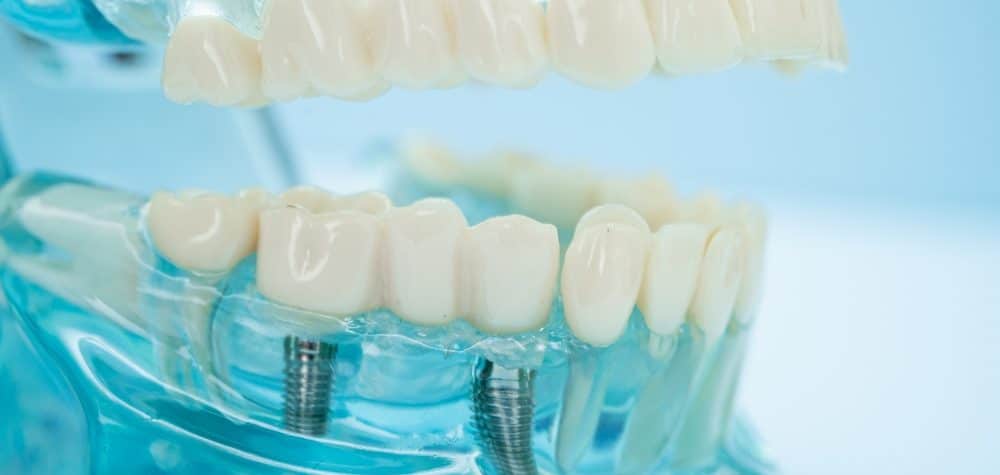
Dental implants are small titanium posts placed into the jawbone to replace missing tooth roots. Once the implant heals and integrates with the bone, a custom dental crown is attached to restore the visible portion of the tooth.
Unlike removable dentures, implants remain securely fixed in place. This stability often allows patients to eat, speak, and smile with greater confidence. I frequently explain to patients that dental implants function more like natural teeth because they support both the crown and the underlying bone structure.
Dental implants may be used to replace a single tooth, ot an entire dental arch of teeth. Treatment plans vary depending on the number of missing teeth and the condition of the gums and jawbone.
Dental Implants Help Preserve Jawbone Health
One of the biggest advantages of dental implants is their ability to help preserve jawbone structure. When a tooth is lost, the jawbone underneath may gradually shrink because it no longer receives stimulation from the tooth root.
Bone loss may affect facial appearance, bite alignment, speech, jaw strength, and the stability of nearby teeth.
Because implants function like artificial roots, they help stimulate the jawbone during chewing. This may reduce bone deterioration over time.
A Natural Appearance That Blends With Your Smile
Modern dental implants are designed to closely resemble natural teeth. The crowns are custom-made to match surrounding teeth in color, shape, and size.
At Sauganash Smiles Dentistry, I carefully evaluate each patient’s smile to create restorations that look balanced and natural. Many people appreciate that implants allow them to smile confidently without worrying about visible gaps or removable appliances.
Dental Implants May Last Many Years
Dental implants are known for their long-term durability. While crowns may eventually require maintenance or replacement, the implant itself may last for decades with proper care.
Good oral hygiene and routine dental visits remain important after implant treatment. I encourage patients to continue brushing, flossing, and attending regular cleanings to protect both implants and natural teeth.
Who May Be A Candidate For Dental Implants?
Many adults with missing teeth may qualify for implant treatment. During consultations, I evaluate:
- Jawbone Health
- Gum Condition
- Medical History
- Bite Alignment
- Overall Oral Health
Some patients may require additional procedures, such as bone grafting, before implant placement. Every treatment plan is customized based on individual needs and goals.
Why Replacing Missing Teeth Matters
Some people postpone replacing missing teeth because they are not currently experiencing pain. However, untreated tooth loss may create additional problems over time.
Missing teeth may lead to shifting teeth, uneven bite, jawbone loss, difficulty chewing, speech chagnes, and additional tooth wear. Replacing missing teeth early may help reduce the risk of future complications.
Dental Implants And Everyday Confidence
Tooth loss often affects emotional well-being as much as physical health. I have treated many patients who avoided social situations or felt embarrassed speaking because of missing teeth.
Dental implants may improve:
- Self-Confidence
- Social Comfort
- Professional Appearance
- Eating Enjoyment
- Daily Function
Restoring a complete smile can have a meaningful effect on everyday life.
FAQs About Dental Implants
Are Dental Implants Permanent?
Dental implants are designed to be long-lasting. With proper care and routine dental visits, many implants remain successful for decades.
Does Getting A Dental Implant Hurt?
Most patients report less discomfort than they expected. Local anesthesia is used during the procedure, and many patients return to normal activities within a short period.
How Long Does The Implant Process Take?
The timeline varies depending on healing and treatment needs. Some patients complete treatment within a few months, while others may require additional healing time or bone grafting.
Can Dental Implants Replace Multiple Teeth?
Yes. Implants may support individual crowns, bridges, or full-arch restorations, depending on the number of missing teeth.
What Happens If Missing Teeth Are Not Replaced?
Untreated tooth loss may lead to bone loss, shifting teeth, bite problems, and difficulty chewing over time.
Are Dental Implants Better Than Dentures?
Many patients prefer implants because they are fixed in place and provide greater stability. However, the right treatment depends on each patient’s oral health and goals.
Am I Too Old For Dental Implants?
Age alone does not prevent someone from receiving implants. Overall health, bone condition, and oral health are more important factors.
How Do I Care For Dental Implants?
Dental implants should be brushed and flossed like natural teeth. Routine cleanings and exams remain important for long-term implant health.
Call To Schedule An Examination With Our Sauganash Dental Clinic
At Sauganash Smiles Dentistry, I work closely with patients to restore healthy, confident smiles with personalized dental care. Dental implants may provide a stable, natural-looking solution for missing teeth while helping protect long-term oral health. Dr. Dalia Marouf is committed to helping patients understand their options and feel comfortable throughout the treatment process.
Contact our Sauganash dental implant dentist at Sauganash Smiles Dentistry by calling 773-877-3133 to schedule your dental exam and protect your oral health. I serve patients in Sauganash and nearby neighborhoods, including Edgebrook, Forest Glen, Wildwood, Lincolnwood, Jefferson Park, Mayfair, Rogers Park, and Albany Park, as well as nearby suburbs including Niles and Skokie.
